

It comes up in almost every new client conversation. Before anything else gets discussed, budget, audience, timing, format, someone asks some version of the same question: “What’s new right now? What are employees actually into? What’s trending?”
The intent behind it is good. Nobody wants to send something dated or generic. The coordinator asking is trying to do right by their employees, which is exactly the right instinct.
The problem is that it’s still the wrong question.
Chasing What’s Trending Is Still Picking for Everyone
Trending swag is, by definition, one person’s best guess about what a large group of people will want. It’s a more informed guess than whatever was trendy two years ago, but it’s still a guess, made by one person, applied to hundreds.
If the answer to “what’s hot right now” is a premium insulated bottle or a packable jacket or a nice notebook set, that’s a reasonable shortlist. But some of your employees already have three insulated bottles. Some don’t want a jacket. Some are remote workers who’d have chosen something entirely different if given the option.
The trend answer solves the curator’s problem, it gives them something defensible to point to, without solving the employee’s problem, which is that someone else made the call for them.
The SwagDrop 2026 Employee Swag & Choice Gap Study, conducted across 2,500 full-time employees in the US and Canada, found that 77% of employees prefer to choose their own item from a curated selection rather than receive a company-chosen gift. That number doesn’t shift much based on how thoughtful the selection was or how current the trend. What employees want isn’t a better-curated pick. It’s the ability to pick.
The Data Backs This Up
The same study found that only 30.5% of employees said the last branded item they received was exactly what they would have chosen. That means nearly 7 in 10 received something that missed, at companies that presumably asked questions like “what’s trending” before placing the order.
More than half, 52.5%, rarely use, donated, or discarded the last item they received. That’s not a function of item quality. It’s a function of a model where one choice gets applied to everyone, regardless of whether it fits their life.
Trending items don’t close that gap. They narrow it slightly, maybe. But they don’t fix the underlying problem, which is that one person picking for 500 is an inherently lossy exercise.
The Better Question
Instead of asking what’s trending, the question worth asking is: “What does our program need to look like so employees can choose something that’s actually right for them?”
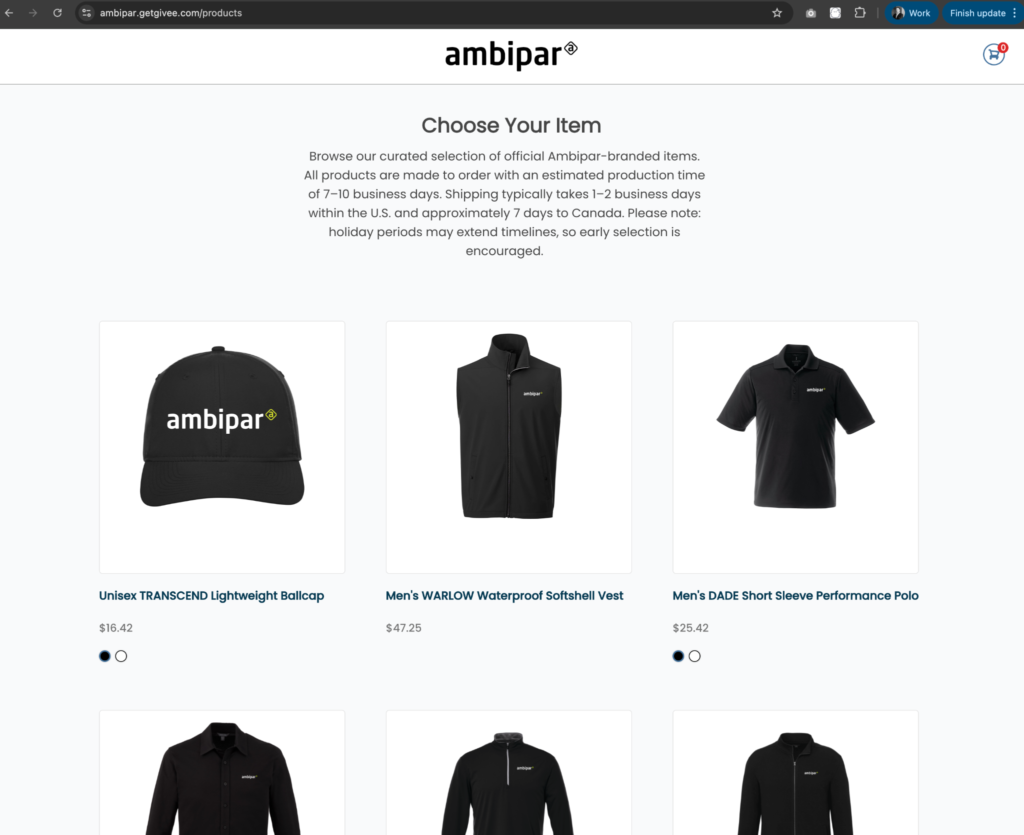
That reframe changes the whole approach. The coordinator’s job stops being “find the best item” and becomes “build the right catalog.” A curated range of 10 to 20 products, chosen with the employee population in mind, gives people real options without being overwhelming. What they pick tells you more about what your employees actually want than any trend report could.
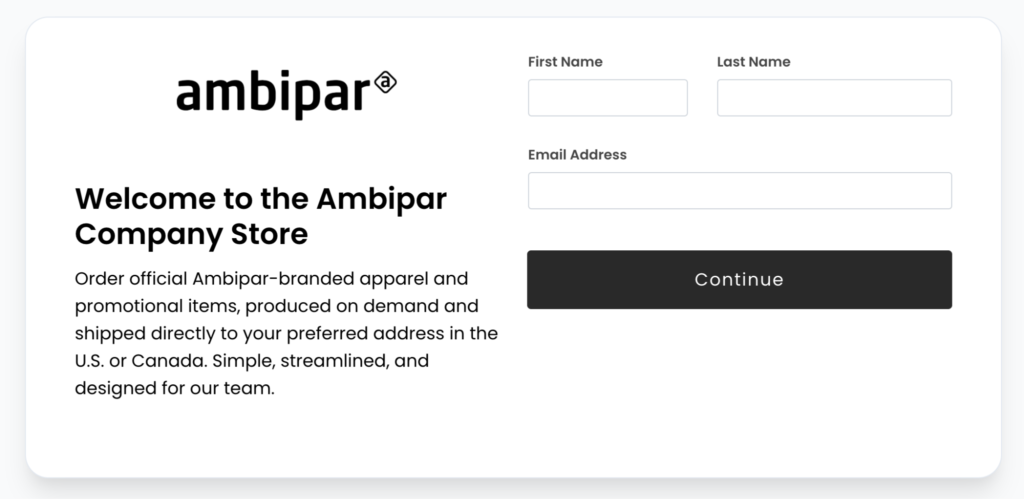
This is also the model that scales. When employees choose their own items, sizes are handled at the individual level, not guessed in aggregate. Employees in Canada get the same experience as employees in the US. Remote workers aren’t dependent on someone collecting their addresses. The program doesn’t require a packing party. And the data from what people actually claimed informs the next program cycle better than any survey or trend article.
Recognition Doesn’t Pause for the Holidays Either
One related pattern worth noting: a lot of swag program energy gets concentrated around end-of-year gifting, which is when trend questions tend to peak. But the SwagDrop study found that employees rank work anniversaries (54.1%) and personal milestones like promotions and project completions (30.9%) higher than seasonal or holiday moments when it comes to recognition that feels meaningful.
The most valuable programs aren’t built around a single trending item sent once a year. They’re built to be available when recognition moments actually happen, which is year-round, and which varies by employee.
What to Look for in a Vendor
If a vendor’s default opening is a trend deck or a “what’s hot” product guide, that’s not a problem, but it shouldn’t be the program. A vendor worth working with will help you build a catalog your employees can actually choose from, not just recommend the most popular item this quarter.
Look for a vendor that:
- Offers a broad product catalog employees can choose from at the time of the program, not a single curated pick
- Handles on-demand production so there’s no pressure to pre-buy inventory before you know what employees will want
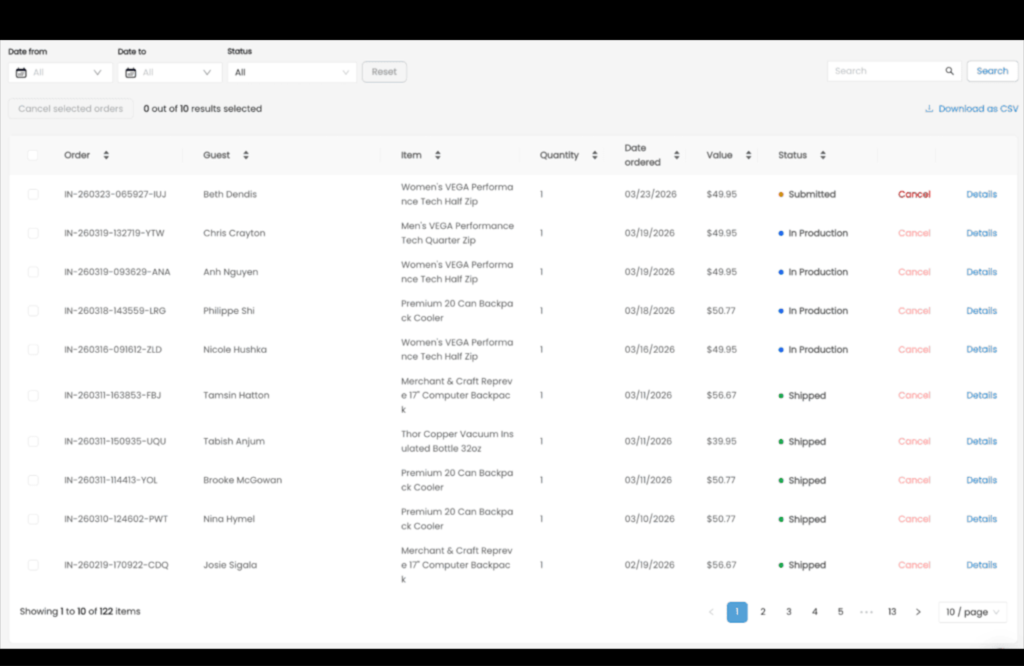
- Provides redemption data so you can see what actually got claimed and adjust future programs accordingly
- Supports direct-to-employee shipping so the program works regardless of where people are located
The trend conversation can be a useful context for building a catalog. It’s a poor foundation for a program.
How SwagDrop Approaches It
When a new client comes in asking what’s trending, we answer the question, we’ve been in this industry for more than 30 years and we know what’s moving. But we also tell them, directly, that the answer to that question isn’t the same as building a program that works.
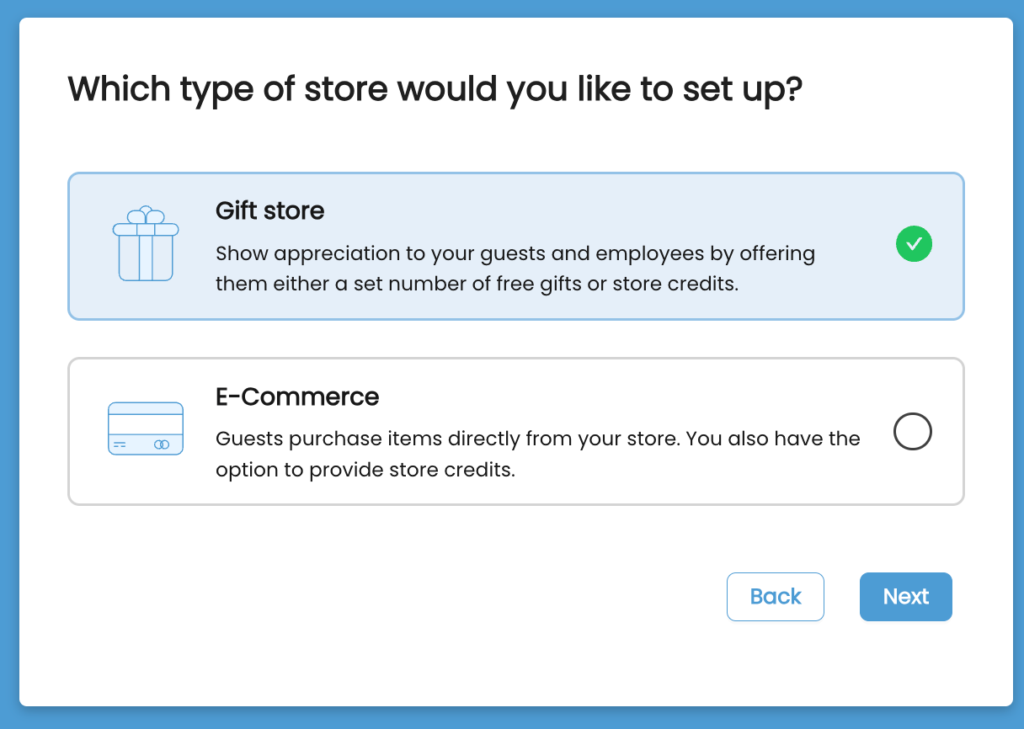
SwagDrop’s on-demand employee store model is built around choice. We help clients put together a catalog that fits their employee population and their brand, and then employees select from it. What they actually claim is more useful information than any trend report, and it informs the next program in a way that makes it better, not just newer.
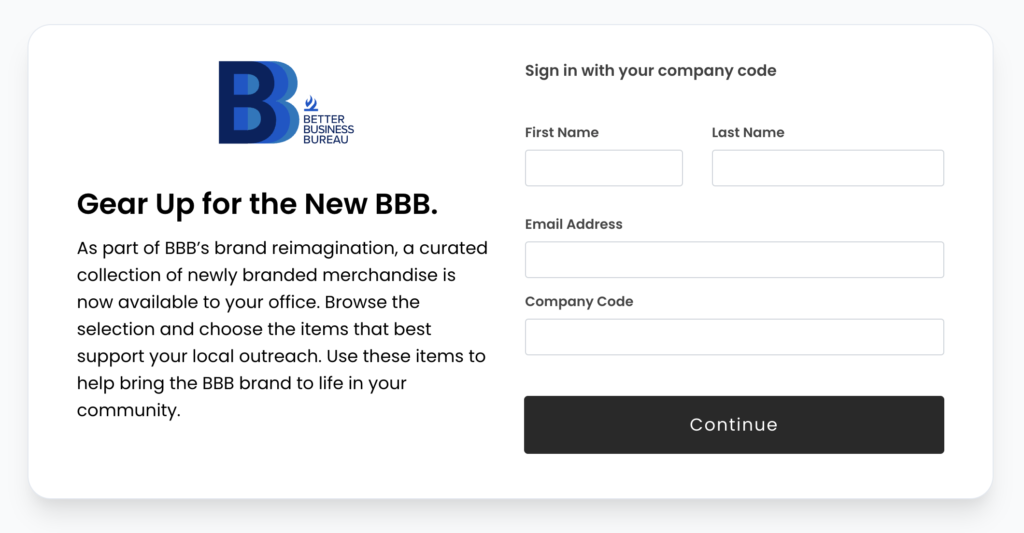
When the Better Business Bureau rebranded across more than 100 offices in North America in 2026, SwagDrop managed the on-demand store rollout. Employees across the US and Canada received an invitation to a store stocked with newly branded merchandise. They chose their items. US orders fulfilled domestically. Canadian orders fulfilled in Canada, no duty exposure. No obsolete inventory. No size mismatches. The program served a geographically dispersed workforce as a single, consistent experience.
You define the budget, the audience, and the guardrails. We build and manage the store, handle production and fulfillment across the US and Canada, and tell you what the data shows. If the most popular item this cycle wasn’t on anyone’s trend list, we’ll tell you that too.